
What to know before you land in Kalpitiya
22 real questions from real guests, answered by the people who live here. Not a kitesurfer? This page covers what you need. For kite-specific logistics, see our kitesurfing FAQ instead.
Before You Travel
Visa, flights, timing, and health basics, sorted before you pack.
Yes. All travellers need a visa, valid for a minimum of 30 days. Apply yourself directly through the official Electronic Travel Authorization (ETA) site. The fee is $50 USD, and approval usually arrives by email within 24 hours.
Visa on arrival is also available at the airport, but we recommend applying online in advance to skip the queue after a long flight.
December to March is the most popular window, with milder weather good for beaches and touring, though also the busiest, especially December and January.
For a quieter trip with still-good weather, aim for February, March, or the edges of the season (early November, late April). Let us know your travel style and we'll suggest the best weeks for you specifically.
From Central Europe, plan on roughly 12 hours total including one stopover. Edelweiss flies direct from Zurich in December/January; KLM direct from Amsterdam; Sri Lankan Airlines direct from Frankfurt and London.
Emirates (Dubai), Etihad (Abu Dhabi) and Qatar Airways (Doha) all run reliable 1-stop routes, usually around a 2-hour transit.
Talk to your doctor or a travel clinic before you go. Recommendations depend on your home country and your own health history, so we won't guess on your behalf here.
Sri Lanka is open with no special entry requirements. All Ruuk Village staff are vaccinated and boosted, and we deliberately keep guest numbers low and avoid large gatherings on-site.
Getting Here
From the airport to the lagoon: 144 km, one road, a few ways to do it.
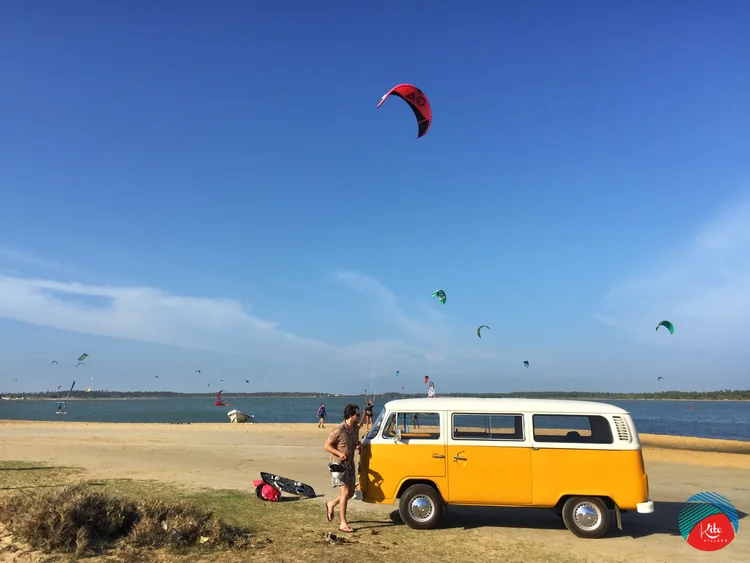
Kalpitiya is 144 km north of Bandaranaike International Airport (CMB), roughly 2.5–3.5 hours by taxi depending on traffic and time of day.
We strongly recommend pre-arranging your pickup with us rather than a standard airport taxi. Many drivers don't know the route, and it saves real time and stress, especially with kite gear. Train or bus is possible too, but budget 5–6 hours door to door.
Our check-in window is 14:00–22:00. For a late flight, we recommend a hotel near the airport, then travelling to us the next morning. Prefer to push through? Tell us during booking and we'll arrange a late pickup (a late-night fee applies after 22:00).
Money & Payments
Cash, cards, and what actually works in a small fishing village.
Four ATMs in Kalpitiya, run by different local banks, all accepting most European and Swiss cards. Current rate is roughly 340 LKR/EUR or 370 LKR/CHF, but check before you travel, since it moves.
Most bills already include a service charge, shared among staff. For exceptional service beyond that, 10% is a normal personal tip in restaurants and guest services.
On a very small bill, skip the percentage math: if you wouldn't tip at home, you don't need to here either.
Most shops and accommodation accept cards, usually with a 3% transaction surcharge on the final bill.
Yes, as an advance/prepayment method. Any PayPal fees are carried by the payer.
Yes, right after customs, or later at a jewellery shop in Kalpitiya. Avoid your home bank for this, since the rate is usually poor.
At Ruuk Village
Life on-site, without a kite in hand too.
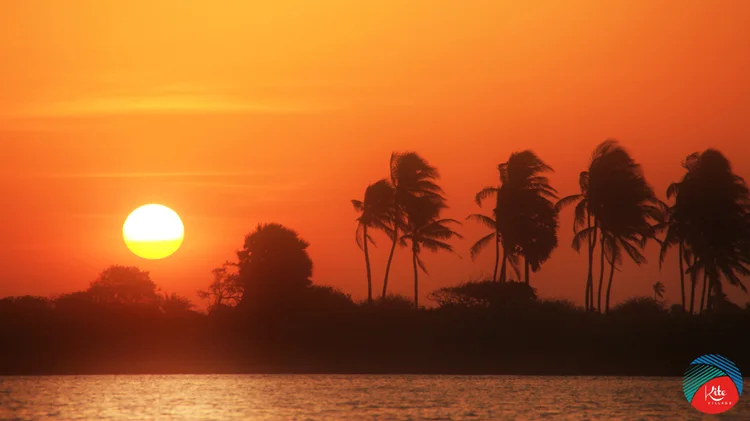
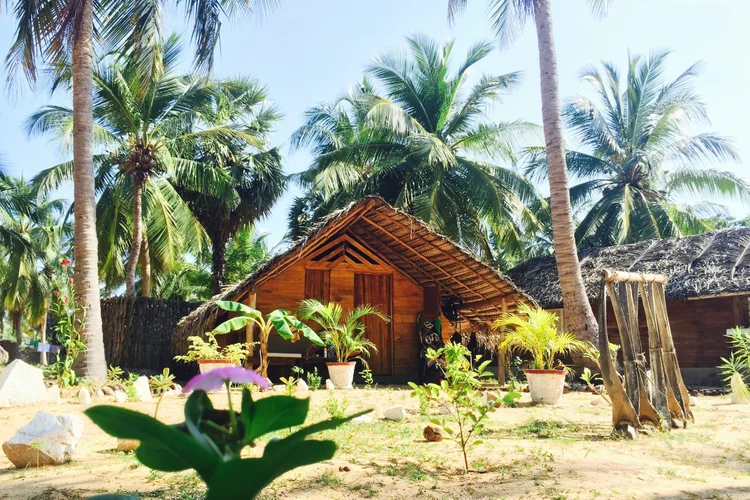
Not at all. Many guests stay without kiting once. Set inside a 9,000 sqm coconut plantation, Ruuk Village works just as well for slowing down. Think lagoon sunsets, kayaking, yoga, cycling through fishing villages, cooking with the village ladies, and long walks on empty beaches.
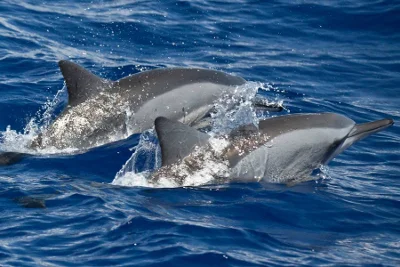
Kalpitiya is also known for dolphin watching year-round (whale sightings happen too, though never guaranteed). It's the only place in Sri Lanka where you can reach Wilpattu National Park by boat.
Kalpitiya sits on the edge of the dry zone, so the sun keeps the water warm enough most of the year. In December/January, evenings cool down, so we recommend showering before sunset those months.
No. Ruuk Village is off-grid, running on a 6kW solar farm with battery storage, and the cabanas are built to use natural wind flow instead. Ventilators are available on request.
Available from 20L dispensers. Bring a refillable bottle if you have one (we also have a few to lend). We've phased out plastic straws and single-use bottles on-site. Kalpitiya is in a dry zone and we draw our own water from a deep well, so we ask every guest to use it mindfully.
A few essentials beyond the obvious:
- High-SPF sunscreen, hard to find locally, bring enough for the whole stay.
- A water-sport hat, waterproof sunglasses, and neoprene shoes for long days on the water.
- Citronella oil, also available locally. Mosquitoes aren't heavy here, but it helps.
- A small first-aid kit for your own peace of mind (we keep one on-site too).
- A refillable water bottle: leave it behind at the end and we'll pass it on to local schoolchildren.
For female guests: Kalpitiya is still a modest fishing village. Shorts or boardshorts over a two-piece at the public beach go a long way out of respect for the community.
Beyond the lagoon, there's plenty on offer:
- Wilpattu National Park by boat or jeep. Elephants are likely, leopards if you're lucky.
- Cooking real Sri Lankan curry with our kitchen team.
- Stand-up paddleboarding on the lagoon, or cycling the backroads.
- Visiting the local oyster farm, or just petanque and darts in the evening.
Full list on our activities page, or just tell us what you're into and we'll point you the right way.
Staying Connected
Internet and power, for remote work or just staying in touch.
Genuinely good. Sri Lanka has strong 4G coverage nationwide, and most places (including Ruuk Village) offer free WiFi. Power is 220–240V; ask at check-in if you need an adaptor.
Worth it for stable internet throughout your stay. Buy one before leaving the arrivals hall, where there's a Mobitel counter just before immigration, next to the large Buddha statue. If you miss it, Dialog counters are available past customs near the currency exchange.
Kite Logistics
One practical note for riders. The full kite FAQ lives on its own page.
If you kite a few times a year, the VDWS Tool Box or Swiss Kitegenossen insurance both cover you well. Renting gear from us directly? We can add damage cover for €10/day (excludes intentional damage).
For everything else kite-related, covering spots, schools and gear rental, see the dedicated kitesurfing FAQ.
No questions match “”. Try a different word, or just ask us directly.
Still have a question?
If we haven't covered it here, write to us directly. We reply with real, personal advice, not a template.
Email contact@kalpitiya.info